Home Blog Page 2

calculating every gram of carbs is simply unrealistic for many.

0

To solve this, the American Diabetes Association (ADA) introduced the “Diabetes Plate Method,” a practical and highly effective way to manage blood sugar without complicated math or kitchen scales. Whether you’re cooking at home or eating out, this method works anywhere, and anyone in the household can follow it.

The concept is straightforward. You start with a 9-inch (about 23 cm) plate and divide it visually into three sections.

Half of your plate should be filled with non-starchy vegetables. These include leafy greens, squashes, tomatoes, peppers, mushrooms, and fresh beans. Non-starchy vegetables are rich in fiber, vitamins, and minerals, and they help slow the absorption of glucose into the bloodstream.

One quarter of your plate should be dedicated to high-quality protein. This can come from lean meats like poultry and fish, eggs, dairy products, or plant-based sources like tofu and legumes. Adequate protein helps keep you full, slows digestion, and prevents sharp spikes in blood sugar after meals.

The remaining quarter of your plate is for carbohydrate-rich foods. Choose whole grains, potatoes, yams, fruits, or legumes. Keep in mind that milk and unsweetened yogurt also count toward this group because they contain lactose, a natural sugar. Limiting carb-heavy foods to just one-quarter of the plate naturally reduces the glucose load from each meal.

As for beverages, the recommendation is simple: stick to water, unsweetened tea or coffee, or plain sparkling water. Avoid sugary drinks, which can cause rapid blood sugar spikes.

This balance works because controlling the proportion of carb-rich foods helps limit the amount of glucose entering your bloodstream, while filling half your plate with non-starchy vegetables increases fiber intake, further slowing sugar absorption. Including a quarter of high-quality protein delays stomach emptying, which means glucose enters the bloodstream more gradually.

The ADA also offers practical meal examples. One could be grilled chicken with kale and yellow squash, paired with a portion of sweet potato. Another might be lean ground turkey with a fresh salad, plus boiled potatoes and a serving of orange. These combinations follow the plate method while keeping meals enjoyable and varied.

To get the most out of this method, a few extra habits can help. Try to avoid dishes that mix all components together, such as fried rice, dumplings, or pizza, because it becomes harder to judge the proportions of protein, vegetables, and carbs. Eat meals at regular times, keeping intervals under six hours, and avoid overeating or skipping meals to maintain steady glucose levels. Favor gentle cooking methods like steaming, boiling, or quick stir-frying, and reduce the use of heavy sauces, frying, or starchy thickeners. If you need a snack, opt for high-fiber or protein-rich options such as fruit, dairy, or nuts, keeping the calorie content under 150 kcal. Finally, limit saturated and trans fats, added sugars, sodium, and alcohol to protect overall health.

By following these four simple plate guidelines — half non-starchy vegetables, one quarter protein, one quarter carbohydrates, plus water or unsweetened drinks — you can enjoy a wide variety of foods while keeping your blood sugar steady. This method proves that effective diabetes management doesn’t have to be complicated; sometimes, all it takes is a well-balanced plate.
9 Best Foods for Diabetes-Friendly Eating

0

When living with diabetes, limiting certain foods is important — but adding the right foods can be just as powerful for controlling blood sugar levels. A diet rich in vegetables, fruits, and healthy proteins offers significant benefits, helping maintain overall health and reducing the risk of future complications.

For people with diabetes, balancing meals and monitoring carbohydrate intake is key. Both sugar and starchy carbohydrates can raise blood glucose, so the total amount consumed in each meal should be carefully considered. Carbohydrate needs vary depending on factors such as activity level and medication use, including insulin.

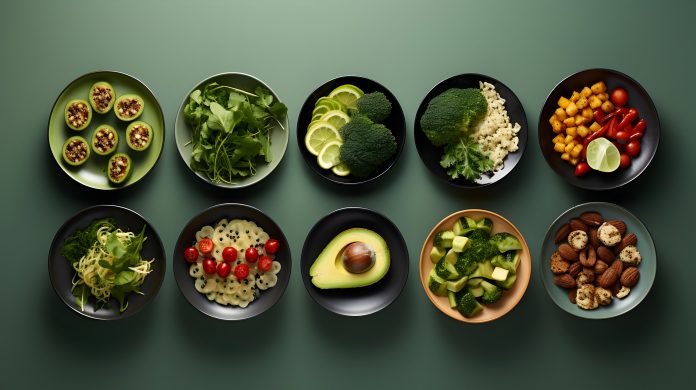
Here are nine of the best foods for a diabetes-friendly diet.

Leafy Green Vegetables
Leafy greens like spinach, kale, cabbage, bok choy, and broccoli are packed with vitamins, minerals, and antioxidants while having minimal impact on blood sugar. They are excellent sources of potassium, vitamin A, calcium, protein, and fiber. These vegetables can help slow starch digestion and improve metabolic control. Enjoy them in salads, soups, stir-fries, or paired with lean protein sources like chicken or tofu.

Whole Grains
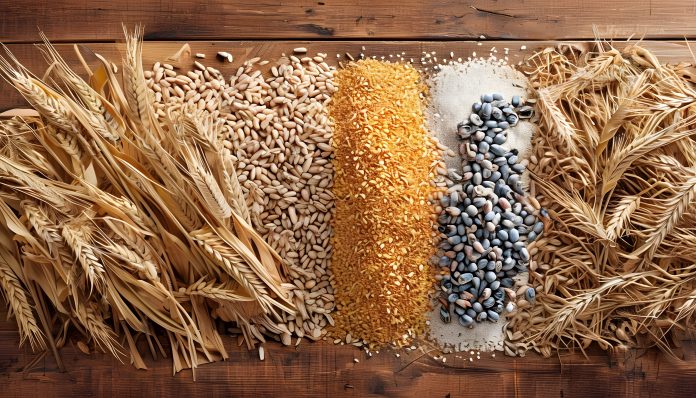
Whole grains contain more fiber and nutrients than refined white grains. Fiber slows digestion and nutrient absorption, helping to stabilize blood sugar levels. Brown rice, whole wheat bread, buckwheat, quinoa, millet, cracked wheat, and rye are all good choices. Swap white bread or pasta for whole-grain versions to reduce post-meal glucose spikes.

Fatty Fish
Fish such as salmon, mackerel, sardines, tuna, herring, and trout are rich in omega-3 fatty acids (EPA and DHA), which support heart and brain health. Diets high in polyunsaturated and monounsaturated fats can improve both blood sugar control and cholesterol levels in people with diabetes. Plant-based options like seaweed and spirulina also provide these beneficial fats.

Legumes
Beans are an excellent plant-based protein source with a low glycemic index, making them ideal for blood sugar management. They digest slowly, reducing glucose spikes, and provide essential nutrients such as iron, potassium, and magnesium. Varieties include kidney beans, pinto beans, black beans, navy beans, and adzuki beans. Add them to stews, salads, or wraps.

Walnuts
Walnuts are rich in alpha-linolenic acid (ALA), a plant-based omega-3 fatty acid that supports heart health. Since people with diabetes have a higher risk of heart disease and stroke, adding walnuts to the diet can be beneficial. They also provide protein, vitamin B6, magnesium, and iron.

Citrus Fruits
Oranges, grapefruits, and lemons contain bioflavonoids such as hesperidin and naringin, which may have anti-diabetic effects. Citrus fruits are also good sources of vitamin C, folate, and potassium, providing essential nutrients without excessive carbohydrates.

Berries
Blueberries, blackberries, strawberries, and raspberries are rich in antioxidants, vitamin C, vitamin K, manganese, and potassium. Their high antioxidant content helps combat oxidative stress, which is linked to diabetes complications. Berries also provide fiber, supporting better blood sugar control.

Sweet Potatoes
Sweet potatoes have a lower glycemic index than white potatoes, meaning they release sugar into the bloodstream more slowly. They are also high in fiber, vitamin A, vitamin C, and potassium, making them a healthier carbohydrate choice.

Probiotic Yogurt
Probiotic yogurt contains beneficial bacteria such as Lactobacillus and Bifidobacterium, which improve digestion and may enhance insulin sensitivity. Choosing unsweetened varieties like plain Greek yogurt can help lower cholesterol, reduce inflammation, and support gut health.

Final Tip
Incorporating these nutrient-rich foods into your diet can help keep blood sugar stable, support heart health, and improve overall well-being. The key is balance — pair carbohydrates with protein or healthy fats, and keep portions consistent to maintain steady glucose levels.

Diabetes and Diet: Practical Tips for Better Blood Sugar Control

0

Diabetes is a chronic condition that requires not only consistent medical treatment but also careful attention to daily eating habits. Many people with diabetes are often confused by conflicting information online, especially when it comes to which foods they can and cannot eat. In reality, a balanced and well-structured diet can make a significant difference in blood sugar management and overall health.

Understanding the Basics
In a healthy body, insulin helps glucose move from the bloodstream into cells for energy. When insulin production is insufficient or when the body becomes resistant to its effects, blood sugar levels rise. Diabetes is categorized into four main types: Type 1, Type 2, gestational diabetes, and specific types caused by other conditions. Among them, Type 2 diabetes is the most common, often linked to obesity, poor diet, and lack of physical activity.

Managing Fat Intake
Fat should provide no more than 30% of total daily energy, with saturated fat kept below 10%. Trans fats should be avoided entirely. Excessive fat, whether from animal or plant sources, can lead to weight gain and higher cholesterol, both of which increase the risk of complications.

The Truth About Fruit
Contrary to popular belief, people with diabetes can eat fruit, but portion control is essential. Fruits contain natural sugars that affect blood glucose, so their intake should be balanced by reducing other carbohydrate sources such as rice or bread. For example, 150–200 grams of fruit is roughly equivalent in calories to 25 grams of rice. Choose lower-glycemic options and eat them between meals rather than immediately before or after eating. Avoid fruit juices, as they raise blood sugar more quickly than whole fruit.

Alcohol and Its Risks
Alcohol is generally not recommended for people with diabetes, especially those using insulin or certain oral medications, as it can trigger dangerous drops in blood sugar. In addition, alcohol adds unnecessary calories and may worsen metabolic control.

Importance of Dietary Fiber
Foods rich in dietary fiber—such as green beans, seaweed, buckwheat noodles, cornmeal, spinach, celery, and bean sprouts—can help improve blood sugar stability. Aim for at least 14 grams of fiber per 1,000 calories consumed. Fiber slows digestion, reducing post-meal blood sugar spikes, but variety and balance should still be maintained.

Limiting Salt
Excess salt intake can increase the risk of hypertension, which is already a concern for many people with diabetes. Keep daily salt intake under 6 grams, and limit high-sodium foods such as soy sauce, processed snacks, and certain condiments.

Rethinking “Sugar-Free” Foods
Sugar-free does not always mean healthy. Many sugar-free products still contain carbohydrates from flour, grains, or dairy, which can raise blood sugar. They may also be high in fat, leading to excessive calorie intake. If you eat sugar-free foods, adjust your main carbohydrate intake accordingly.

Snacking Wisely
Most snacks, including nuts, dried fruits, and pastries, are calorie-dense and can disrupt blood sugar control if consumed in excess. If snacking is necessary, choose small portions of healthy, low-glycemic foods and account for them in your daily meal plan.

Final Thoughts
Good diabetes management is not about cutting out entire food groups but about achieving balance. Pair whole grains with lean proteins, mix vegetables with healthy fats in moderation, and eat meals at regular times. Consistency, portion control, and mindful food choices are the foundation for long-term blood sugar stability and overall well-being.

Why Your Blood Sugar Remains High Even When You Eat Less

0

Many people with diabetes are puzzled: “I barely eat anything, so why is my blood sugar still high?” This question came from my friend Xiao Guo, who has been living with diabetes for years. She recently reduced her food portions in an effort to control her weight and blood sugar, yet both numbers refused to budge.

At first glance, her daily meals didn’t seem excessive — a couple of croissants with soy milk in the morning, a meat bun and noodles for lunch, and a small pastry with fruit at night. However, when we calculated the total calorie intake, it reached over 2,200 kcal, far exceeding her recommended limit of 1,600 kcal. The mistake was clear: she equated “eating less food by volume” with “eating fewer calories,” without realizing that different foods carry vastly different calorie loads.

The Link Between Weight and Blood Sugar

Obesity is a major driver of insulin resistance, which plays a bigger role in type 2 diabetes than pancreatic beta-cell dysfunction. Studies published in The Lancet and Cell have shown that weight loss can help reverse type 2 diabetes by improving liver fat metabolism and restoring insulin sensitivity. In other words, managing total calorie intake is essential not just for weight loss, but also for better blood sugar control.

Why Eating Less Doesn’t Always Mean Lower Blood Sugar

The human body’s daily energy needs are based on basal metabolic rate plus the energy required for daily activities. Consuming fewer calories than you burn can help maintain or lose weight — but if your “small” portions are calorie-dense, you may still overshoot your daily requirement. For example, a small piece of chocolate may have more calories than a large serving of vegetables.

Some people also experience “rebound hyperglycemia” when they eat too little. In this state, the body releases glucose-raising hormones as a survival mechanism, which can actually push blood sugar higher. Over time, this can overwork the pancreas, making blood sugar even harder to control.

Eating too little for long periods can also lead to malnutrition, reduced immunity, and accelerated complications such as vision problems, neuropathy, and kidney damage.

Lastly, eating less often leads to reduced activity. Many people think, “I ate so little today, I can skip exercise,” but reduced movement means you burn fewer calories overall, which cancels out the benefits of eating less. For diabetics, regular activity — especially within an hour after meals — is essential for lowering post-meal glucose.

Smarter Dietary Strategies for Blood Sugar Control

The key is not simply to reduce food volume but to manage calorie intake wisely while ensuring balanced nutrition.

First, learn the calorie values of your most frequently eaten foods, and choose more low-GI options such as oats, corn, brown rice, and minimally processed grains. Distribute your daily calorie allowance evenly across three meals to avoid large blood sugar spikes.

Second, combine refined grains with whole grains to slow digestion and prevent rapid glucose surges. Pair starchy foods like potatoes or yams with protein-rich legumes to balance nutrients. Whenever possible, keep foods in their original form instead of over-processing them into purees or juices.

Third, aim for balanced meals with both lean protein and plenty of non-starchy vegetables. Fruits can be enjoyed in moderation when blood sugar is stable, but portion sizes should be controlled, and high-sugar fruits should be avoided when glucose levels are high.

Finally, keep a consistent meal schedule. Eating at regular intervals allows the digestive system to process food efficiently, preventing large fluctuations in blood sugar. Adjust portion sizes according to your daily activity level, and follow an eating sequence that starts with vegetables, then protein, and finally carbohydrates, to slow glucose absorption.

The Bottom Line

For diabetics, controlling blood sugar is a long-term commitment that requires more than just eating less. It’s about eating smarter — balancing calorie intake, choosing the right foods, and maintaining an active lifestyle. Only with this combined approach can you achieve stable blood sugar and better overall health.

Diabetes Doesn’t Have to Be Overwhelming — Here’s How to Eat Smart

0

Type 2 diabetes is a complex metabolic disorder influenced by both genetic and environmental factors. In China, it is considered a common condition. A large-scale health report released by Xinhua’s China Economic Information Service and the Meinian Health Industry Research Institute analyzed over 13 million adult blood glucose records from 447 medical centers between April 2018 and March 2019. The results showed a nationwide diabetes detection rate of 9.98% (adjusted to 8.63% after accounting for population distribution).

So, with numbers this high, how should people with diabetes approach their diet?

The core principle is simple — control total calorie intake, especially from high-calorie and high-fat foods. Increase the proportion of high-fiber foods, start meals with soup or vegetables, stop eating when you are about 70–80% full, and pair your diet with regular exercise and prescribed medication.

Breakfast
Choose high-fiber staple foods such as whole grain steamed buns or flatbreads. Add one boiled or poached egg for protein. For a drink, opt for unsweetened soy milk, milk, or millet porridge. Include a small serving of fresh or lightly dressed vegetables to balance the meal.

Lunch
Select high-fiber rice, steamed buns, noodles, or other whole-grain staples. Pair with lean protein sources such as chicken, duck, fish, or lean cuts of pork. Include plenty of cooked or fresh vegetables and, if desired, tofu or other soy-based dishes.

Dinner
Choose a moderate portion of high-fiber staples like whole grain rice or steamed buns. For those who enjoy porridge, millet, mung bean, or red bean porridge can be suitable in small amounts. Keep dinner lighter than lunch, focusing on vegetables and plant-based proteins, with small portions of meat or fish if desired.

Before Bed
Drink a glass (about 300 ml) of pure milk before going to sleep.

Daily Intake Guidelines
People with diabetes should consume at least 300 grams (dry weight) of staple foods per day, ideally split between rice and wheat-based options — for example, two meals with rice and one with noodles, or vice versa. Daily vegetable intake should be at least 500 grams, with a variety of types for balanced nutrition. Limit salt to 6 grams per day, use plant-based oils, and keep oil intake below 18 grams daily.

Low-Sugar Vegetable Options
Vegetables containing less than 3% sugar are particularly suitable for people with diabetes. Examples include: Chinese cabbage, cabbage, spinach, bok choy, chives, fennel leaves, celery, kohlrabi, lettuce stems, zucchini, tomatoes, winter melon, bitter melon, cucumber, eggplant, loofah, kale, mustard greens, water spinach, amaranth, bean sprouts, fresh mushrooms, and seaweed.

Final Thought
Living with diabetes doesn’t mean giving up good food — it’s about making balanced choices and controlling portions. By following a structured meal plan, ensuring variety, and combining dietary control with exercise and medication, you can keep blood sugar stable and improve your overall health.

Why Fasting Blood Sugar May Rise on a Low-Carb Diet — And How to Improve It

0

Low-carb eating is widely recognized for improving blood sugar control. I’ve been practicing it myself for years, and have guided many people through it. Over time, I’ve noticed that even small changes in food choices can create very different results.

One common question I hear is: “Why is my fasting blood sugar still high in the morning, even after going low-carb?”
In theory, eating fewer carbs should stabilize blood glucose. But for some, the fasting reading remains elevated. Let’s explore why.

What Is Fasting Blood Sugar?
Fasting blood sugar is measured after an overnight fast (8–10 hours without food, water allowed) and is one of the most common tests for diabetes.
Two key hormones work together to keep it balanced: insulin (lowers blood sugar) and glucagon (raises it). When this balance is disrupted — for example, due to insulin resistance — fasting glucose may stay high.

Why It Can Rise on a Low-Carb Diet

  1. The Dawn Phenomenon
    Between 2 a.m. and 8 a.m., your body releases hormones such as growth hormone, cortisol, adrenaline, and glucagon. These trigger the liver and muscles to release stored glucose, preparing you for the day ahead. For most, this is harmless, but in some cases it leads to higher morning readings.
  2. Adaptation to Ketone Fuel
    In long-term ketogenic eating, cells become efficient at burning fat instead of glucose. When extra glucose circulates in the morning, the body may simply “ignore” it, continuing to run on fat — which can cause a temporary rise in fasting readings without being a health threat.
  3. Gluconeogenesis
    Even on a very low-carb diet, your body can make its own glucose from amino acids, lactate, and glycerol to fuel cells that require sugar. This self-produced glucose can contribute to higher fasting numbers.

Other Influences on Morning Blood Sugar

  • Stress & Cortisol: Chronic stress keeps cortisol elevated, which raises blood sugar as part of the “fight or flight” response.
  • Poor Sleep: Sleep deprivation, sleep apnea, or even mouth breathing at night can trigger hormonal stress responses that elevate glucose.
  • Food Sensitivities: Allergic reactions to certain foods (grains, dairy, eggs, seafood, legumes, nuts) can cause an inflammatory stress response, indirectly raising blood sugar.
  • Dehydration: Early in a low-carb journey, water loss can concentrate blood glucose. Hydrating well before breakfast can help.
  • Device Accuracy: Glucose meters aren’t perfect. Always double-check with multiple readings.

How to Assess Blood Sugar Health More Completely

  • Fasting Insulin: Elevated fasting insulin alongside high glucose may indicate insulin resistance.
  • HbA1c: Reflects your average blood sugar over the past three months.
  • C-Reactive Protein (CRP): An inflammation marker linked to higher metabolic risk.
  • HOMA-IR: A calculation combining fasting glucose and insulin to estimate insulin sensitivity.

Ways to Improve Blood Sugar Control

  • Apple Cider Vinegar or Lemon Juice: Their natural acids help slow carbohydrate absorption and improve glucose response.
  • Intermittent Fasting: Short-term fasting can rest the pancreas and improve insulin sensitivity. Start gradually — from three meals to two, then occasionally one.
  • High-Intensity Exercise: 2–4 sessions a week quickly use stored glycogen, boosting insulin efficiency.
  • Vitamin D Optimization: Maintain levels between 60–100 ng/mL through sun exposure or supplementation.
  • Thyroid Health: Since thyroid hormones influence metabolism and glucose control, check thyroid function alongside fasting glucose and insulin.

Final Thought
If your fasting blood sugar is only slightly elevated in the morning but stays stable and healthy the rest of the day, it’s often not a cause for alarm — especially if you’re otherwise metabolically healthy. The body’s regulatory systems are complex, and sometimes what looks like a “problem” is simply a sign of adaptation.

With mindful eating, regular activity, stress management, and periodic testing, you can maintain strong blood sugar control — whether you’re on a low-carb path or not.

10 Common Misconceptions About Diet for People with Diabetes

0

Dietary control is one of the most important tools for managing diabetes. Medical guidelines have long emphasized that proper nutrition is the foundation for both prevention and treatment, no matter what stage of the condition you are in. However, many people still misunderstand what “eating right” really means, and some habits intended to control blood sugar can actually make it harder to manage. Here are ten common dietary misconceptions that people with diabetes should avoid.

Eliminating staple foods entirely is not healthy
Many believe that eating less rice, noodles, or bread will automatically lead to better blood sugar control. While reducing refined carbohydrates can be beneficial, cutting them out completely can deprive the body of essential energy, causing excessive fat and protein breakdown, muscle loss, malnutrition, and in some cases, ketosis. The goal is to eat the right amount for your needs, not to remove them altogether.

Sugar-free or savory foods are not unlimited
Some think that as long as a food isn’t sweet, it won’t raise blood sugar. But crackers, bread, and “diabetic-friendly” snacks made with sugar substitutes are still high in carbohydrates. Once digested, these carbs turn into glucose, leading to blood sugar spikes if eaten in large quantities.

Medication cannot replace portion control
It’s a mistake to think you can eat more and simply increase your medication or insulin to balance it out. This puts extra strain on your pancreas, increases the risk of low blood sugar, and can lead to other side effects. Medication works best alongside consistent and balanced eating habits.

Snacks count toward your daily total
Some people control their main meals well but snack freely on nuts, seeds, or processed foods. These snacks often contain high amounts of fat and calories, which can push your daily energy intake beyond healthy limits, causing weight gain and worsening insulin resistance.

Plant-based oils still add calories
While vegetable oils contain more unsaturated fats than animal fats, they are still calorie-dense. Excess consumption can lead to weight gain and elevated blood lipids. Regardless of the source, all fats should be consumed in moderation.

Only eating whole grains is not always better
Whole grains are rich in fiber and beneficial for blood sugar management, but eating them exclusively can overburden the digestive system and reduce nutrient absorption. A balanced mix of whole and refined grains is often a better choice.

Skipping meals does not mean skipping medication
Diabetes medication helps control blood sugar not only from food intake but also from other metabolic processes. Skipping meals can cause low blood sugar before the next meal, which may lead to overeating and unstable glucose levels.

Insulin is not a free pass to eat without limits
Even if you use insulin, you still need to watch your diet. Overeating forces your body to store excess energy as fat, which increases insulin resistance and the amount of insulin you need over time.

“Blood sugar-lowering” foods still need moderation
Some believe certain foods, like hawthorn, can lower blood sugar and therefore eat them in large quantities. While such foods may have a smaller impact than high-sugar desserts, they still contain natural sugars and can raise glucose levels if consumed excessively.

Bitter melon and the myth of “plant insulin”
Bitter melon is often advertised as containing “plant insulin,” but this is more of a marketing term than a scientific one. While it has certain plant compounds, they are easily broken down during digestion and have no proven direct blood sugar-lowering effect. It can still be a healthy low-GI vegetable choice, but it is not a substitute for proper treatment.

Conclusion
There is no single food that can cure diabetes, nor one strict diet that works for everyone. Effective blood sugar control comes from balanced nutrition, portion awareness, regular physical activity, and consistent medical supervision. Avoiding these common misconceptions will help keep your glucose stable and protect your long-term health.

20 Facts About Diabetes Every Patient Should Know to Avoid Mistakes

0

Living with diabetes comes with challenges that extend far beyond blood sugar readings. Misunderstanding the condition often leads to costly mistakes in daily management. Recognizing these 20 facts can help you take better control of your health and reduce complications.

1. Medical Costs Will Rise

Once diagnosed, you’ll face ongoing expenses for medication, monitoring devices, and regular check-ups. Spending wisely on proper blood sugar control and complication prevention saves far more in the long run.

2. Insulin Injections Can Leave Scars

Injecting insulin in the same spot repeatedly can cause fat build-up under the skin, leaving lumps and scars. Always rotate injection sites to avoid this issue.

3. Monitoring Blood Sugar Is a Daily Commitment

Finger-prick tests are essential but not always easy to stick to. Create a monitoring schedule suited to your condition and keep detailed records for your doctor.

4. Weight Control Is Crucial for Type 2 Diabetes

Obesity increases the risk and severity of type 2 diabetes. Maintaining a healthy weight helps improve blood sugar management.

5. “Sugar-Free” Doesn’t Mean Safe

All carbohydrate-containing foods — not just those with visible sugar — affect blood sugar. Even sugar-free products require portion control.

6. Carbs Hide in Unexpected Foods

Bananas, mangoes, and other fruits can pack more carbs than expected. Learn to identify hidden sources to avoid spikes in blood sugar.

7. Always Carry a Source of Sugar

For hypoglycemia, follow the 15-15 rule: consume 15g of carbs, wait 15 minutes, and recheck blood sugar until it’s at least 3.9 mmol/L.

8. Type 1 Diabetes Without Insulin Is Dangerous

People with type 1 diabetes risk diabetic ketoacidosis if they stop insulin. Pumps or injections are non-negotiable for survival.

9. Symptoms Aren’t Always Obvious

Some people have subtle or no symptoms at all. Blood sugar testing is the only reliable way to confirm your status.

10. Diabetes Can Affect Your Mood

Studies show people with diabetes are more prone to depression, often due to the frustration and limitations that come with the disease.

11. Exercise Can Sometimes Raise Blood Sugar

While generally beneficial, intense or prolonged exercise can temporarily raise blood sugar due to increased glucose demand in muscles.

12. Stress Impacts Blood Sugar Levels

Stress hormones raise blood glucose and make the body less sensitive to insulin, making control harder during anxiety episodes.

13. Low Blood Sugar Symptoms Vary

Not everyone experiences the textbook signs like sweating or trembling. Some may go straight to confusion or dizziness without warning.

14. Hypoglycemia Can Impair Thinking

Low blood sugar can cause confusion, slowed reactions, and poor judgment — a dangerous combination when driving or operating machinery.

15. Medication Adherence Is Non-Negotiable

Skipping doses can cause severe fluctuations in blood sugar. Take medications exactly as prescribed.

16. Good Sleep Is Hard but Important

Blood sugar can fluctuate at night, disturbing sleep. Maintaining stable levels helps improve rest and overall control.

17. Travel Requires Planning

You can’t just leave for vacation without ensuring you have enough medication, testing supplies, and a stable condition.

18. Alcohol Can Be Risky

Drinking may cause you to skip monitoring, and in severe cases, alcohol-related hypoglycemia can be fatal.

19. Diabetes Brings Other Risks

It increases the likelihood of skin infections, vision problems, nerve damage, kidney disease, and high blood pressure. Proper control lowers these risks.

20. There’s No Cure — Yet

No supplement or home remedy can reverse diabetes. Until a medical breakthrough occurs, stick to proven strategies like balanced diet, exercise, and medication.

Common Dietary Mistakes People with Diabetes Should Avoid

0

Managing diabetes isn’t just about taking medication or insulin injections — your daily eating habits play an equally important role in controlling blood sugar. Many people with diabetes face the challenge of wanting to eat more but knowing they shouldn’t, or craving certain foods they’re told to avoid. Understanding which dietary habits to change can make a big difference in keeping blood sugar stable.

Avoid Overly Soft Foods
Foods that are too soft are digested and absorbed faster, leading to a quicker rise in blood sugar. For example, when rice is cooked into porridge, the starch becomes more easily broken down into glucose, causing a rapid spike in blood sugar. The longer the porridge is cooked, the stickier it becomes — and the faster your glucose levels will climb. If you enjoy porridge, eat it in moderation and pair it with high-fiber foods to slow absorption.

Control Your Diet — But Don’t Starve Yourself
Dietary control does not mean eating as little as possible. Long-term calorie restriction can cause muscle loss, weaken immunity, and even worsen diabetes. People with diabetes should not let their daily carbohydrate intake drop below 150 grams, as this can lead to ketosis. Instead, follow your doctor’s advice to balance daily calories, protein, fat, and carbohydrates, and create a sustainable eating plan tailored to your needs.

Stay Away from Alcohol and Smoking
Alcohol disrupts energy metabolism and can worsen blood sugar control. When taken alongside diabetes medication, alcohol may cause blood sugar to drop dangerously low and reduce the effectiveness of the drugs by speeding up their breakdown in the body. Smoking further increases the risk of cardiovascular complications, which are already a major concern for people with diabetes.

Don’t Eat Fruit Immediately After a Meal
Having fruit right after a meal can lead to a sudden rise in blood sugar and put extra stress on the pancreas. In addition, the fat and protein from your meal can slow digestion, causing fruit to stay in the stomach longer and potentially lead to bloating or discomfort. The best time to eat fruit is between meals, when your stomach is relatively empty, allowing vitamins and minerals to be absorbed more efficiently.

Do Not Restrict Water Intake
Some people with diabetes try to drink less water to reduce frequent urination, but this can actually make things worse. Staying hydrated helps lower blood plasma osmotic pressure and can help bring blood sugar toward a healthier range. If you wait until you feel thirsty, your blood sugar may have already fluctuated. Aim to drink water regularly throughout the day, even if you don’t feel thirsty.

Final Takeaway
Medication is important, but it’s only part of the solution. Lifestyle and dietary habits are equally critical for long-term diabetes management. If you take your medication but continue to eat high-sugar foods without restraint, your condition will not improve. For those living with diabetes, learning to make mindful food choices — and sticking to them — is one of the most powerful tools for staying healthy.

Reversing Type 2 Diabetes Through Lifestyle Changes — How to Do It Right

0

Modern medicine agrees that type 2 diabetes is closely linked to lifestyle. Changes in modern living — such as overeating, lack of physical activity, chronic stress, and poor sleep — have created conditions that make the disease more common. When combined with habits like smoking, drinking, and staying up late, the risk only increases.

Common lifestyle factors that contribute to diabetes include eating too quickly and consuming more than necessary, skipping breakfast and overeating later in the day, relying heavily on refined carbohydrates while neglecting vegetables, preferring high-fat, high-sugar, and high-salt foods, indulging in rich dinners, overeating during special occasions, sitting for long hours, experiencing chronic stress and anxiety, and maintaining poor sleep habits.

The Impact of Lifestyle Management on Diabetes
A European hospital recruited 1,000 people with type 2 diabetes, with an average age of 52 and an equal number of men and women. Their average HbA1c level was 6.8%. Participants followed an intensive lifestyle program that included exercising five to six times per week (both endurance and resistance training) and eating a diet high in fiber and low in saturated fats, along with moderate amounts of fruit.

After one year, participants lost an average of seven kilograms. Their HbA1c dropped from 6.8% to 6.1%, 80% were able to reduce their medication dosage, and half of them no longer needed glucose-lowering drugs while maintaining normal blood sugar levels. This shows that intensive lifestyle management can help bring blood glucose into the normal range.

Practical Strategies for Lifestyle Management
The first step is learning to release negative emotions. Life will inevitably bring frustrations, but holding onto them can increase stress and worsen blood sugar control. Find healthy ways to let go of anger, avoid dwelling on financial worries, set realistic goals, and practice open communication.

The second step is ensuring every meal includes high-fiber foods. Prioritize green and dark-colored vegetables, and limit starchy options like pumpkin, potatoes, and lotus root. Incorporate seaweed, mushrooms, and other fiber-rich foods. For main staples, aim for a 1:1 ratio of whole grains to refined grains, which slows digestion and keeps you feeling full longer.

The third is strict calorie control. Determine your daily energy needs based on your weight, and stick to that limit. Pay special attention to controlling staple foods, as they have the greatest effect on blood sugar. Start by eating until you’re about 80% full. If you need a snack, choose vegetables, and gradually adjust your portions until you reach your goal.

The fourth is regulating salt, oil, and sugar. People with diabetes should limit salt intake to under 5 grams per day, oil to under 25 grams, and sugar to no more than 25 grams. Use a measuring spoon for salt, be mindful of hidden sodium in condiments and preserved foods, and use a measured oil dispenser for cooking. Favor steaming or boiling over frying, and enjoy the natural flavor of ingredients.

The fifth is weight control. Keep your BMI between 18.5 and 23.9, with a waist-to-hip ratio under 0.9 for men and 0.85 for women. Excess weight increases insulin resistance, making blood sugar harder to control.

Finally, commit to regular exercise. Aim for at least 30 minutes of activity per session, five days a week, for a total of at least 150 minutes. Moderate intensity is best — enough to break a light sweat. Brisk walking, badminton, and table tennis are good options. Strength training is also important, as stronger muscles improve insulin sensitivity.

Changing daily habits is one of the most effective — and challenging — parts of managing diabetes. It requires persistence, family support, and a willingness to adapt. The good news is that most people adjust within a month, and the effort pays off with better blood sugar control, improved health, and a higher quality of life.