For most people, the idea that “diabetics shouldn’t eat sugar” feels like common sense. But the truth is more nuanced. Carbohydrates — the nutrients that eventually become blood glucose — exist in different forms, and they don’t all affect the body the same way.
Understanding the Different Types of Carbohydrates
Carbohydrates can generally be divided into three categories:
Monosaccharides — such as glucose and fructose — are found abundantly in fruit. They have a high sweetness level, are absorbed quickly, and cause blood sugar to rise rapidly.
Disaccharides — such as sucrose and maltose — are also absorbed quickly. Sucrose is made of one glucose molecule and one fructose molecule, while maltose consists of two glucose molecules. Both break down into glucose in the body, so diabetics should limit their intake.
Polysaccharides — mostly found in foods as starch or dietary fiber — are digested and absorbed more slowly. They help maintain steady blood sugar levels, which is why diabetics should focus on getting healthy polysaccharides, especially from fiber-rich foods.
In everyday language, “sugar” usually refers to table sugar (white sugar, brown sugar) — fast-digesting carbs that raise blood sugar quickly. Fiber-rich foods, on the other hand, not only avoid spiking glucose but also increase satiety, making them beneficial for people with diabetes.
Common Myths About Diabetes and Diet
Myth 1: Diabetes is caused by eating too much sugar
While a diet high in sugar can increase the risk of developing diabetes, the condition itself is not directly caused by sugar intake alone. Diabetes occurs when the body’s blood sugar regulation system malfunctions — either the pancreas doesn’t produce enough insulin or the body’s cells become resistant to it.
When this happens, glucose remains in the bloodstream instead of being used for energy. Once blood glucose exceeds a certain level, the excess is excreted in the urine — hence the term “sugar in the urine.” Over time, poor diet, excess calories, and lack of exercise can all contribute to the development of diabetes, but eating sugar in moderation does not directly cause the disease.
Myth 2: People with diabetes can’t eat fruit
Even if blood sugar control isn’t ideal, fruit doesn’t have to be completely off-limits. Fruits are rich in vitamins, minerals, and fiber, which are beneficial for overall health. While fruit contains natural sugars like glucose, fructose, and sucrose, fructose metabolism does not require insulin. Once blood sugar is reasonably managed, moderate fruit consumption is safe — the key is portion control and timing.
Myth 3: Skipping carbohydrates helps lower blood sugar
Some believe cutting out rice, bread, or other starchy foods is the fastest way to manage blood sugar. In reality, carbohydrates are the body’s most efficient source of energy. Eliminating them can lead to nutrient imbalance, excessive breakdown of fats and proteins, weight loss, malnutrition, and even dangerous conditions like ketoacidosis. The goal should be to choose complex carbohydrates and control portions — not to eliminate them completely.
Myth 4: All sweet-tasting foods are badSweetness alone doesn’t determine a food’s impact on blood
sugar. For example, plain white bread can raise blood sugar more quickly than an apple or a spoonful of honey. As long as you follow medical advice and choose wisely, even foods with some sweetness can fit into a diabetes-friendly diet.
Myth 5: Sugar-free products are always safe
Many “sugar-free” cookies, cakes, and snacks replace table sugar with sweeteners like xylitol or sucralose. While they may have less direct sugar, they often contain high amounts of refined flour and fats, which still add calories. Overeating these can lead to weight gain and poor blood sugar control. In some cases, they can be more harmful than foods containing small amounts of regular sugar.
Practical Eating Tips for Better Blood Sugar Control
1. Eat at regular times and in consistent amounts
Three balanced meals a day, with steady portion sizes, help stabilize blood sugar and align with medication schedules.
2. Break snacks into smaller servings
If eating fruit, wait about two hours after a meal and divide one serving into smaller portions — for example, eat one apple in two to four small portions rather than all at once.
3. Choose solid foods over liquid foods
Dense, solid foods like bread, rice, and crackers take longer to digest than porridge, noodles, or soups, which can cause faster glucose spikes.
4. Opt for firm over soft textures
Harder foods require more chewing and digest more slowly, helping to moderate blood sugar increases.
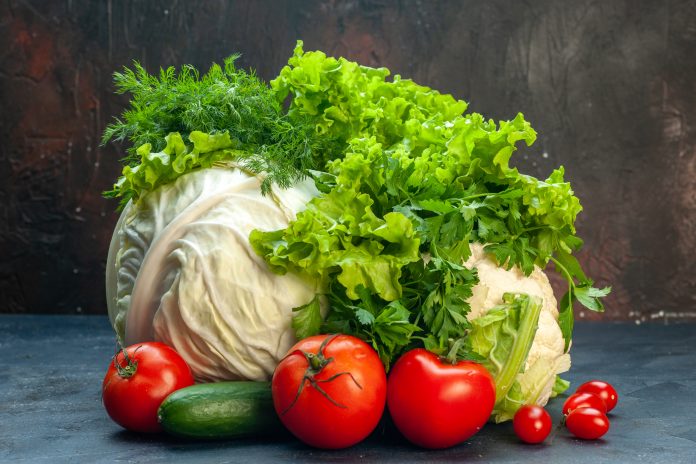
5. Favor green vegetables over red ones
Leafy greens such as spinach and celery are low in sugar and high in fiber. Some red vegetables, like tomatoes, have higher natural sugar content and can cause a quicker rise in blood glucose when eaten in equal amounts.